

Simple Invoice Factoring Calculator: Calculate Your Advance In Seconds
Want to see how much cash you can get from your invoices right now? A factoring calculator gives you instant estimates on your advance based on your invoice amounts and fees. This tool helps you make quick decisions.
How Does Invoice Financing Work?
Quick Summary
Invoice factoring improves cash flow by allowing businesses to sell unpaid invoices for immediate cash and manage their finances efficiently.
- There are 3 types of factoring services: recourse, non-recourse and spot factoring, each designed for different business needs and risk levels.
- Choosing a factoring company involves evaluating factors like fees, transparency and industry expertise to match business needs.

What is Factoring in Finance
Factoring in finance is a powerful tool for businesses to improve their cash flow. At its core factoring is selling unpaid invoices to a third party, known as a factoring company, at a discount to get immediate cash. This allows businesses to get cash fast, address short term cash flow needs and manage operational costs better.
The beauty of factoring is its flexibility. There are different types of factoring services, each designed for different business needs based on their financial situation. Converting invoices into cash helps businesses avoid the long wait for customer payments, get immediate funds to cover expenses, invest in growth or manage financial obligations.
Understanding factoring is key for businesses considering this financial arrangement. It’s more than just getting cash upfront; it’s about managing cash flow strategically to ensure operational stability and growth.
What is Invoice Factoring
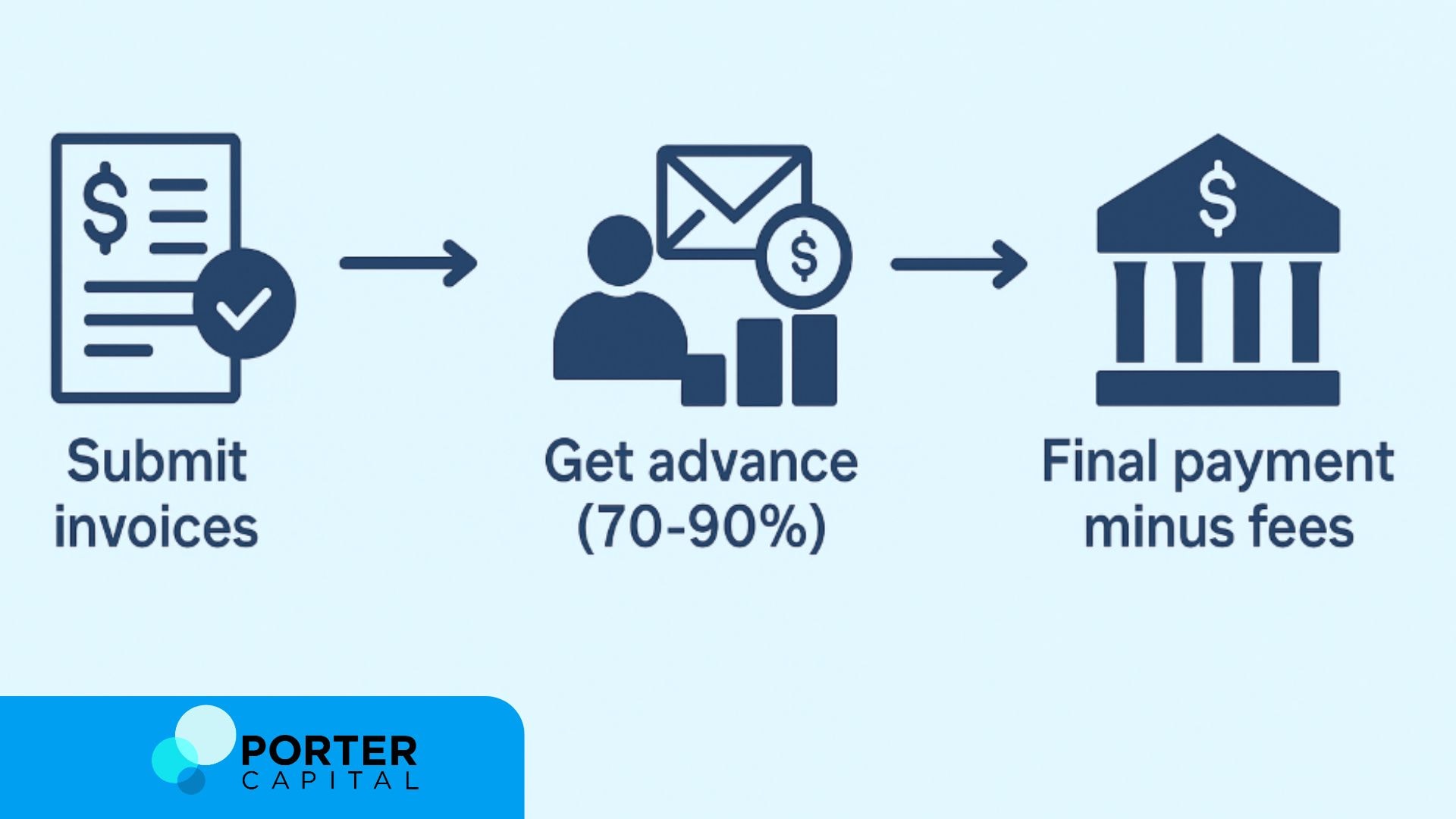
Invoice factoring is a financial arrangement where businesses sell their unpaid invoices to a factoring company at a discount. This allows businesses to get cash upfront, improve liquidity without waiting for customers to pay their invoices. Invoice factoring essentially converts receivables into immediate cash, a quick solution to cash flow problems.
The process is simple: businesses sell their outstanding invoices to a factor, who then provides a percentage of the invoice value upfront. Immediate access to funds allows businesses to manage their finances better, whether to cover operational costs, invest in new opportunities or maintain steady cash flow.
How Does Factoring Work?
The factoring process starts with a business submitting their invoices to a factoring company. Once the factoring company receives the invoices they advance a percentage of the invoice value to the business, usually 70% to 90% of the total amount. This advance gives the business immediate cash flow to address their financial needs.
Once the factoring company has paid the advance they take on the responsibility of collecting the payment from the business’s customers. The process involves:
-
The factor collecting the full invoice amount from the customer
-
Deducting their fees from the collected amount
-
Remitting the balance to the business
This not only gives the business immediate funds but also offloads the accounts receivable management to the factoring company.
The simplicity and efficiency of the factoring process makes it an attractive option for businesses of all sizes. Converting invoices into cash allows businesses to meet their financial obligations without waiting for customer payments, maintain a healthy cash flow.
Benefits of Factoring
One of the main benefits of factoring is the significant improvement in cash flow it provides. Converting receivables into immediate cash lets businesses address their financial needs quickly, reduce bad debt risk and ensure operational stability. This immediate funding can be critical for businesses experiencing financial fluctuations or unexpected expenses.
Moreover factoring does not require collateral unlike traditional financing methods. This makes it more accessible to businesses that may not have substantial assets to pledge as security. The reduction in financial risk and the availability of funds makes factoring a valuable financial tool across industries.
Types of Factoring Services
Factoring services come in different forms, each designed for different business needs based on the level of risk and the type of agreement. Knowing these different types of factoring services helps businesses choose the right model that matches their financial situation and cash flow requirements.
Recourse Factoring
Recourse factoring is a financial arrangement where the business retains the responsibility for any customer defaults. This means if the customer doesn’t pay the invoice the business has to repay the factoring company. While this type of factoring involves some risk for the business, it usually has lower fees as the risk is lower for the factoring company.In recourse factoring businesses get improved cash flow but still bear the risk of non-payment by customers. This can be beneficial for businesses with good customers as they can get immediate funds at a lower cost.
Understanding the trade-offs between cash flow and repayment responsibilities is key for businesses considering recourse factoring. By weighing these factors carefully businesses can make informed decisions that match their financial goals.
Non-Recourse Factoring
Non-recourse factoring shifts the risk of customer non-payment to the factoring company, giving the business more protection. In this arrangement if the customer doesn’t pay the invoice the factoring company absorbs the loss. This provides a safety net for businesses so they get their funds regardless of customer payment behavior.
While non-recourse factoring offers more risk mitigation it’s often more expensive than recourse factoring as the factoring company takes on more risk. Businesses must decide if the extra cost is worth the added security and peace of mind.
For businesses looking to minimize financial risks especially in volatile markets non-recourse factoring can be a good option. The higher fees are a small price to pay for the assurance they will get their funds regardless of customer payment behavior.
How to Use a Factoring Calculator
A factoring calculator is a useful tool that simplifies the process of calculating simpler factors and provides quick estimates for financial decisions. Using a factoring calculator can help you quickly calculate potential cash advances and related costs so you can make informed decisions.
To use a factoring calculator effectively input accurate data such as invoice amounts, fees and timelines. The results from the calculator will guide you in making informed decisions about factoring options.
Wrapping Up
Summarize the points from the blog post, invoice factoring is a powerful financial tool that can improve cash flow and operational efficiency. Understanding the different types of factoring services, choosing the right factoring company and using a factoring calculator are the key to leveraging this tool.
Now that you have the knowledge from this guide you can make informed financial decisions to improve your business’s financial health and stability. Get started with invoice factoring today.
FAQs
What are the main benefits of invoice factoring?
To choose the right factoring company, look at fees, transparency, flexibility of terms, industry expertise and customer reviews. Choosing a company that matches your business needs and has clear terms is key to a successful partnership.
What is the difference between recourse and non-recourse factoring?
Recourse vs non-recourse factoring is the responsibility for payment if the customer defaults; recourse factoring holds the business liable to repay, typically lower fees, non-recourse factoring transfers that risk to the factoring company, more protection but higher cost.
How does a factoring calculator work?
A factoring calculator works by allowing you to input data—invoice amounts and fees—to calculate potential cash advances and costs. So you can make an informed decision on factoring.
